As the core equipment of judo, the design of judo suit not only carries functional needs, but also reflects the profound cultural connotation. From material selection to tailoring process, every detail has been carefully considered to ensure that athletes get the best experience in training and competition.
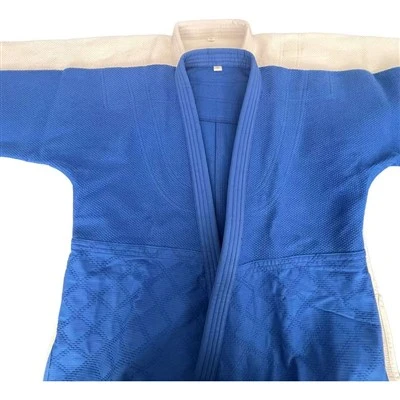
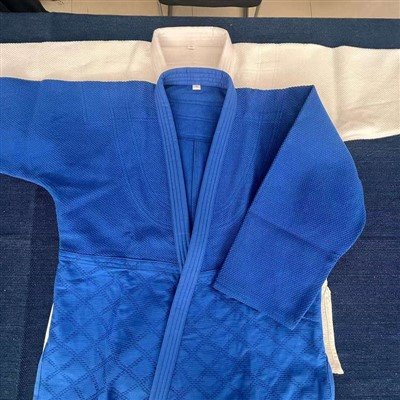
First of all, the material of judo suit is the basis of its functionality. Traditional judo suits are made of high-strength cotton fabrics, which have good wear resistance and breathability and can withstand frequent pulling and friction. Modern judo suits are further optimized on this basis. Some high-end products will add a small amount of synthetic fibers to enhance the tear resistance of the fabric while maintaining the comfort of cotton. In addition, the lining design of judo suits is also very important. It usually adopts a double-layer structure to increase the cushioning effect and protect athletes from injury during throws.
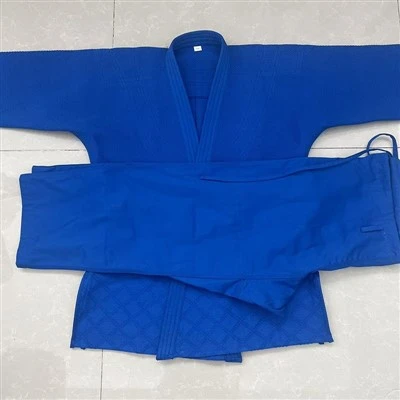
Secondly, the tailoring of judo suits fully considers the needs of sports. The loose cuffs and trouser legs are not only convenient for athletes to move quickly, but also provide a larger contact area during throws and increases the stability of technical movements. The collar is thickened and reinforced to prevent damage due to pulling during competition, while ensuring that the players get enough friction when grasping. The belt area uses high-strength stitching to withstand frequent pulling movements and ensure safety during competition.
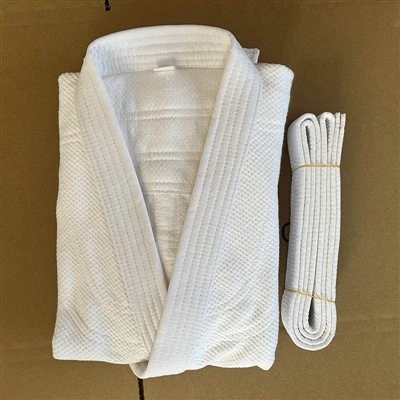
In addition, the design of judo uniforms also incorporates elements of Japanese martial arts culture. Traditional judo uniforms are mainly plain colors, usually white or blue, symbolizing purity and respect. The color of the belt represents the player's rank, from the beginner's white belt to the high-ranking black belt, each belt carries the player's growth process. This cultural symbol not only enhances the recognition of judo uniforms, but also allows athletes to feel the inheritance of the martial arts spirit when wearing them.
In the context of globalization, the design of judo uniforms is also constantly innovating. Modern judo uniforms begin to focus on lightweight and environmental protection, and some products use recyclable materials to reduce the impact on the environment. At the same time, with the increase in international competitions, the styles of judo uniforms have become more diverse to meet the needs of athletes from different countries and regions.
The design of judo uniforms is a perfect combination of functionality and culture, which not only ensures the safety and comfort of athletes, but also inherits the spirit of martial arts. In the future, with the advancement of material science and process technology, the design of judo uniforms will continue to be optimized to provide a better sports experience for judo enthusiasts around the world.