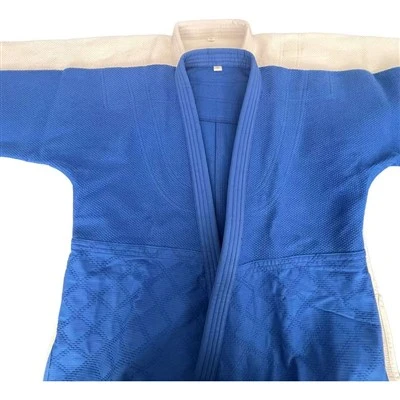
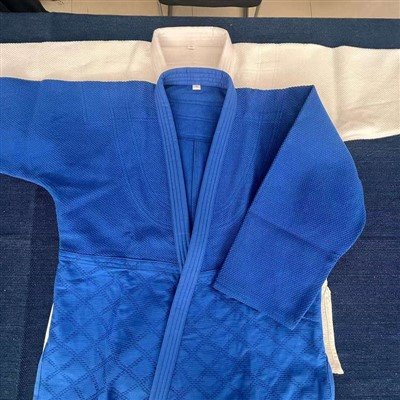
Karate is a martial arts sport originated in Japan. Its uniforms are not only a symbol of identity for practitioners, but also carry traditional and functional designs. Understanding the structure of karate uniforms will help foreign trade practitioners better introduce the characteristics and value of this product to international customers.
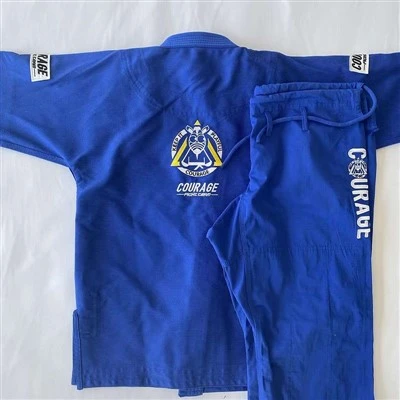
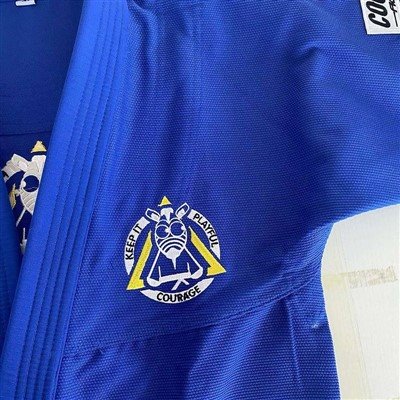
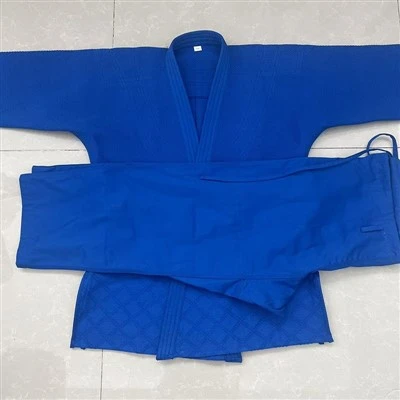
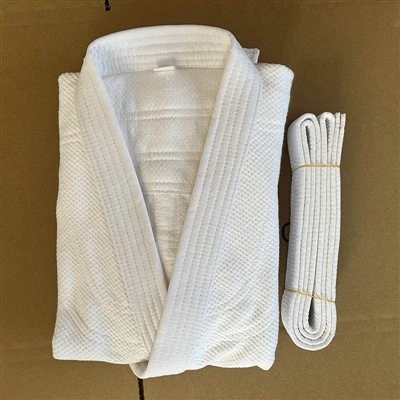
Karate uniforms usually consist of three parts: tops, pants and belts, each of which is carefully designed to meet the needs of training and competition. The top is called a "robe" or "karate uniform top" and is loose-fitting for easy movement. The neckline is generally a V-neck design, which is in line with the traditional style and can prevent the collar from rubbing against the neck due to excessive movements during training. The sleeves are usually long and cover the wrists, providing additional protection while enhancing overall stability.
The pants focus on comfort and flexibility. Karate pants are mostly loose straight-tube designs with wide trouser legs, which are convenient for large kicking movements. The waistband is usually designed with elastic elastic bands or drawstrings to ensure that they are stable and not easy to slip off. Some high-end uniforms will add breathable mesh to the inside of the trouser legs to improve perspiration performance and are suitable for long-term training.
The belt is a very symbolic part of the karate uniform. It is not only used to fix the top, but also represents the practitioner's rank. The color and stripes of the belt vary depending on the school and rank. For example, beginners usually wear white belts, while high-level practitioners may use black or other dark belts. The belt is mostly made of pure cotton or cotton blends, which are strong and durable and have strong sweat absorption.
In terms of fabric selection, modern karate uniforms mostly use high-density cotton fabrics, which are breathable, wear-resistant and wrinkle-resistant. Some uniforms are also reinforced in easily worn parts (such as cuffs and trouser legs) to extend their service life. In addition, lightweight design has become a trend in recent years, making uniforms more suitable for high-intensity training and competitions.
For foreign trade practitioners, understanding the structural details of karate uniforms can help accurately recommend products to international customers, whether for beginners or professional players, and can provide options that meet their needs.