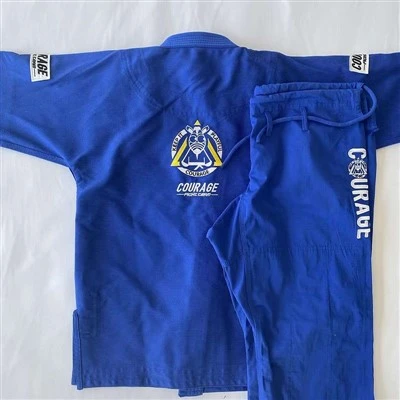
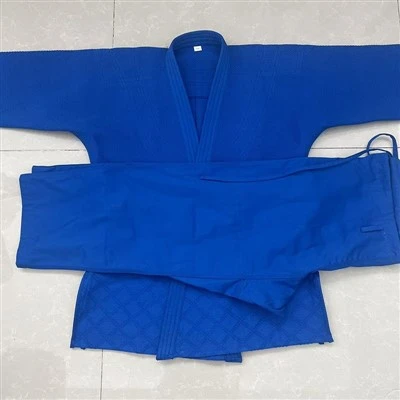
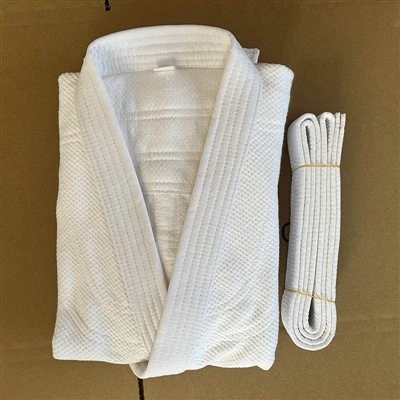
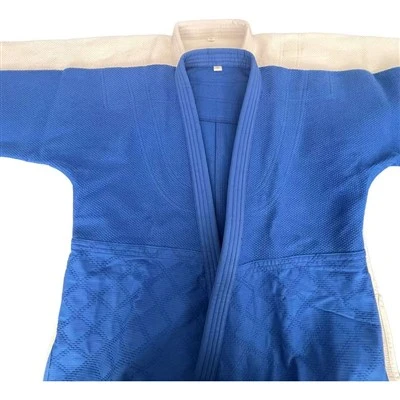
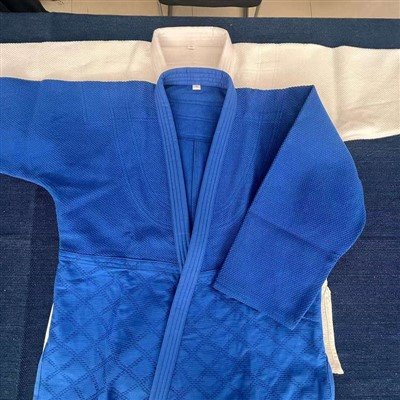
As a globally popular fighting sport, the choice of Jiu-Jitsu equipment directly affects the performance and comfort of athletes. For foreign trade practitioners, understanding the key points of Jiu-Jitsu uniforms can not only improve customer satisfaction, but also enhance market competitiveness. This article will analyze how to choose high-quality Jiu-Jitsu uniforms from the aspects of material, craftsmanship, design and functionality.
Material determines durability and comfort
Jiu-Jitsu uniforms usually use high-density cotton or blended fabrics to ensure wear resistance and breathability. Pure cotton fabrics are soft and skin-friendly, suitable for daily training; while blended fabrics (such as cotton-polyester or cotton-ammonia) enhance tear resistance and are more suitable for competitive competitions. When purchasing for foreign trade, you need to pay attention to the gram weight of the fabric (usually 280-320 grams). The higher the gram weight, the stronger the durability, but the breathability needs to be balanced. In addition, the use of environmentally friendly dyes is also becoming a focus of the international market.
Process details affect service life
The stitching of high-quality jiu-jitsu uniforms usually adopts four-needle six-thread technology, and the seams are flat and without bulges, reducing friction discomfort. The reinforcement of the collar and cuffs can effectively prevent deformation, while the design of the waist elastic band must take into account both fit and flexibility. Foreign trade suppliers should provide sample tests to ensure that the stitching can still maintain strength after repeated stretching.
Design and functionality adapt to different needs
The design of jiu-jitsu uniforms must meet the needs of sports, such as loose tailoring to facilitate the development of movements, while moderate tight design can reduce the opponent's grip points. The choice of color and pattern must also consider the cultural preferences of the target market and avoid sensitive elements. In addition, some high-end jiu-jitsu uniforms will add antibacterial treatment or quick-drying technology to enhance the sports experience.
Certification and environmental standards cannot be ignored
The international market has strict requirements on the safety of sports equipment, and jiu-jitsu uniforms must comply with relevant certifications, such as OEKO-TEX® standards (to ensure the absence of harmful substances) or EU REACH regulations. Foreign trade companies should give priority to certified products to avoid trade risks.
In summary, the selection of Jiu-Jitsu uniforms requires comprehensive consideration of materials, craftsmanship, design, compliance, etc. If foreign trade practitioners can accurately grasp these key points, they will provide customers with more competitive products and promote the sustainable development of their business.