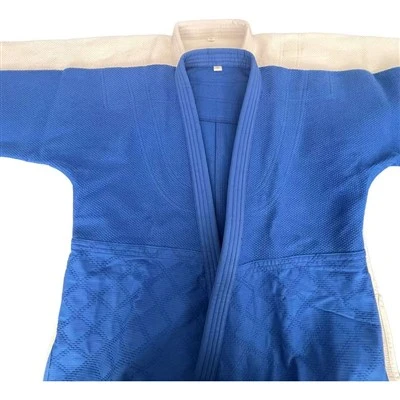
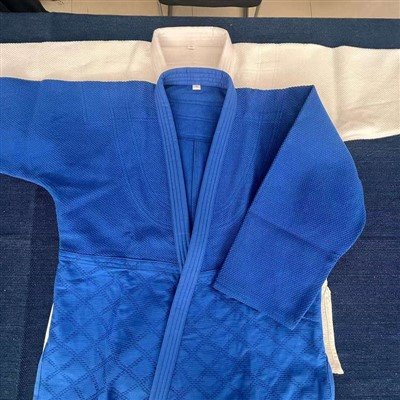
As an important part of martial arts sports equipment, the production process of karate uniforms directly affects the comfort, durability and sports performance of wearing. A set of high-quality karate uniforms needs to be carefully made through multiple processes to ensure that it meets the international competition standards and the needs of athletes. This article will introduce the main production process of karate uniforms in detail.
1. Fabric selection and pretreatment
Karate uniforms usually use high-density cotton or cotton-polyester blended fabrics to ensure breathability, sweat absorption and tear resistance. The fabric needs to be pre-shrunk before cutting to prevent deformation after washing. Some high-end uniforms will also add elastic fibers to enhance flexibility.
2. Cutting process
Cutting is one of the core links in uniform production. Modern karate uniform production mostly uses computer numerical control (CNC) cutting technology to ensure that the size of each piece of fabric is accurate. Ergonomic design should be considered when cutting, especially the cutting of cuffs, trouser legs and waist to ensure comfort and flexibility during exercise.
3. Sewing and reinforcement
The sewing process uses high-strength industrial sewing machines to ensure that the seams are strong and durable. Key areas such as shoulders, elbows and knees are usually double-stitched or interlining is added to enhance wear resistance. Some uniforms also use flat seams or overlock seams at the seams to prevent friction and skin discomfort.
4. Printing and brand logos
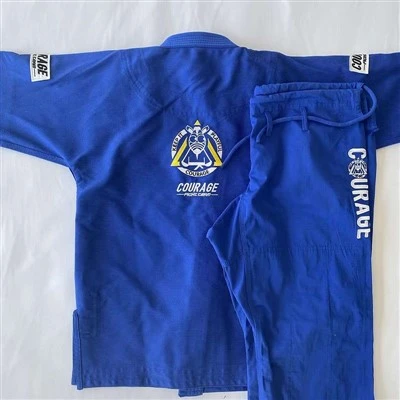
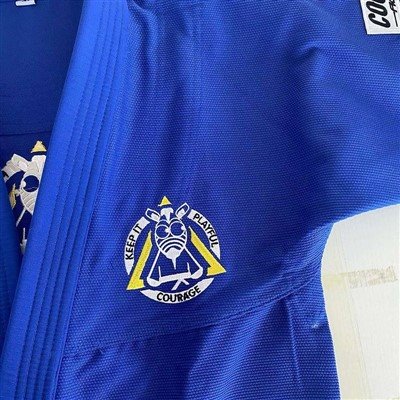
Karate uniforms usually need to be printed with the name of the athlete, nationality or sponsor logo. Traditional screen printing is suitable for large-area patterns, while heat transfer technology is more suitable for fine logos. Some high-end uniforms use embroidery technology to enhance the brand texture.
5. Quality inspection and ironing
The finished uniforms are subject to strict quality inspections, including seam strength, fabric color fastness and dimensional stability tests. Qualified products will finally be ironed at high temperature to ensure flatness and crispness, meeting the competition requirements of the World Karate Federation (WKF).
6. Packaging and Shipping
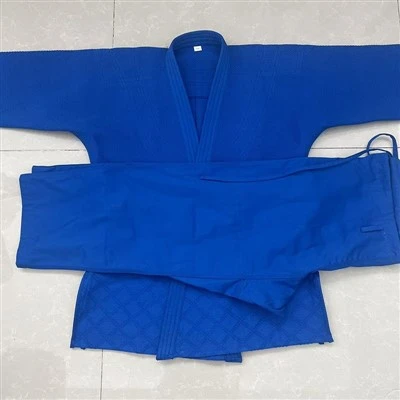
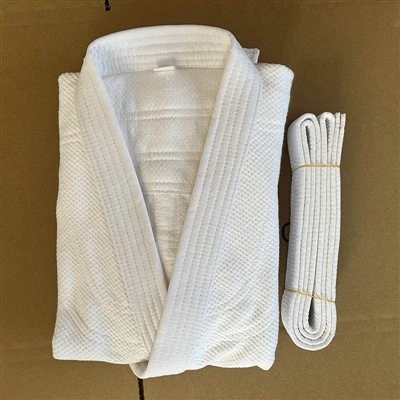
Quality-inspected uniforms will be folded and packaged, and some orders will also come with moisture-proof bags or brand tags. Export products must comply with the certification standards of the target market, such as the EU REACH regulations or the US ASTM standards.
The production process of karate uniforms combines traditional tailoring techniques with modern manufacturing processes, and each process directly affects the performance and appearance of the final product. With the development of material technology, karate uniforms will be lighter and more environmentally friendly in the future to meet the needs of athletes around the world.