Karate is a martial arts sport that originated in East Asia. Its uniforms (gi) are not only a symbol of identity for practitioners, but also carry profound cultural connotations and functional needs. With the international development of karate, uniform design has gradually incorporated modern innovations while retaining traditional elements to meet the diverse needs of practitioners around the world.
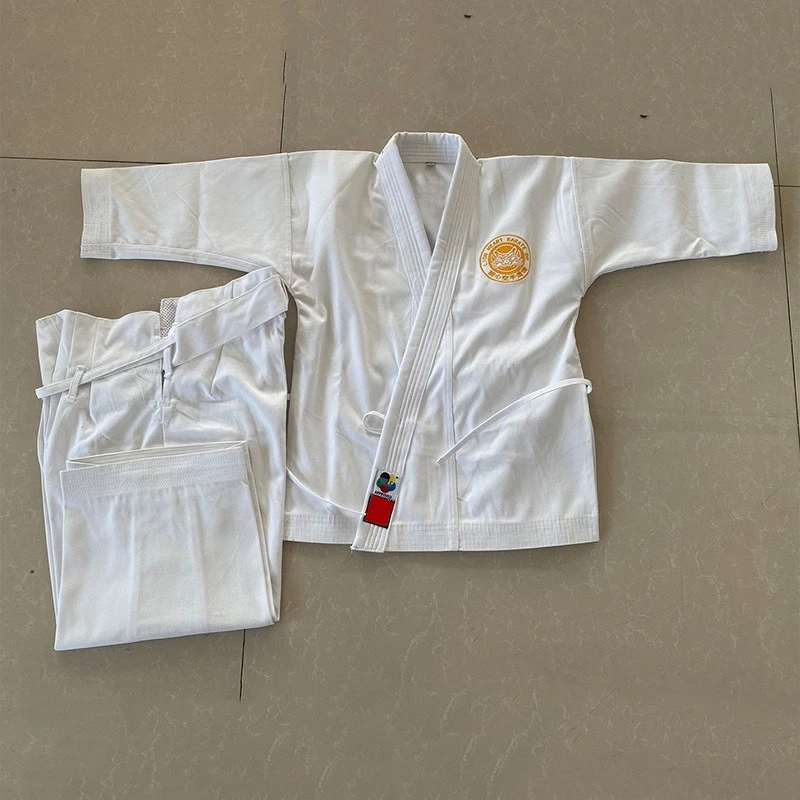
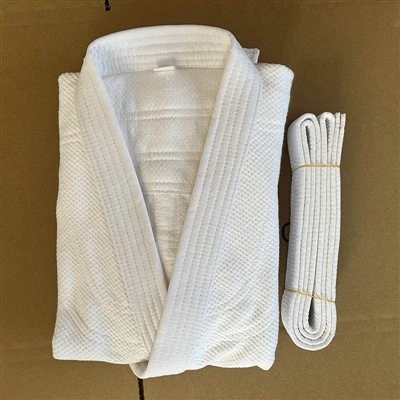
From a historical perspective, the design of karate uniforms was inspired by traditional Japanese clothing "Jinbei" and "Hakama", emphasizing loose tailoring and the use of natural materials. This design is not only convenient for physical activities, but also reflects the pursuit of humility and self-discipline in martial arts. Early uniforms were mainly pure white, symbolizing purity and original intention. This tradition is still the core feature of karate uniforms.
While retaining traditional elements, modern karate uniform design pays more attention to functionality and comfort. For example, the use of high-density cotton fabrics improves durability and sweat absorption, and adapts to high-intensity training needs. Some high-end uniforms use double-layer weaving technology, adding breathable mesh under the armpits and back to further optimize the heat dissipation effect during exercise. In addition, the improved belt design (such as anti-slip patterns and adjustable buckles) enhances practicality and ensures that practitioners remain stable during intense movements.
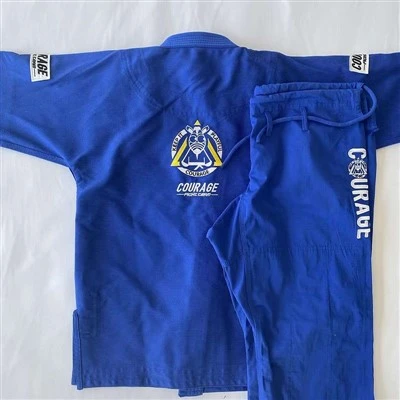
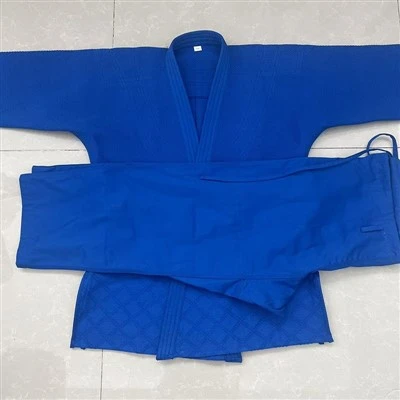
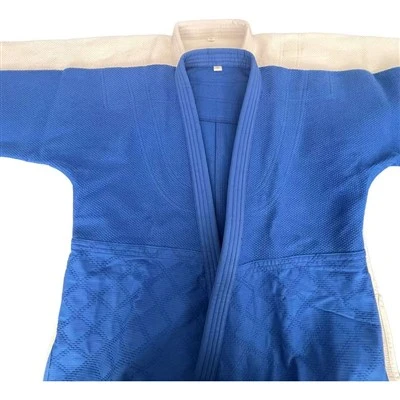
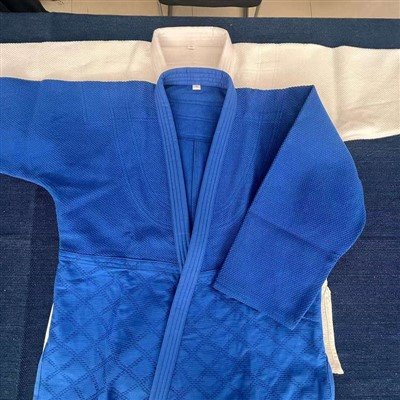
Innovation in color and details has also become an important direction for contemporary design. Although white is still the mainstream, some schools or events allow dark-colored uniforms such as black and blue to meet the needs of different age groups or competitions. Some brands add brand logos or school badges to the collar and cuffs, which not only retains traditional aesthetics but also gives the uniforms modern recognition. It is worth noting that the World Karate Federation has strict regulations on the size and weight of competition uniforms to ensure fairness and uniformity.
In the future, karate uniform design will continue to seek a balance between cultural heritage and technological innovation. With the popularization of environmental protection concepts, the use of organic cotton and recyclable fabrics may become a new trend. The introduction of digital customization technology (such as 3D tailoring) will also provide more personalized choices for global consumers. This uniform design, which combines traditional spirit with modern needs, is a vivid epitome of the global development of karate.