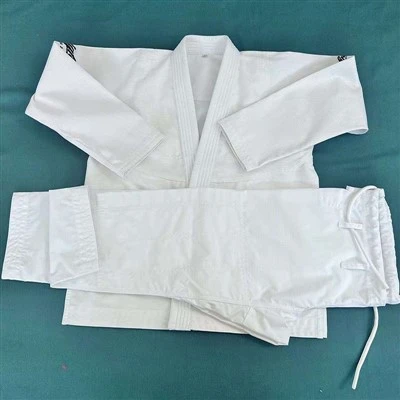
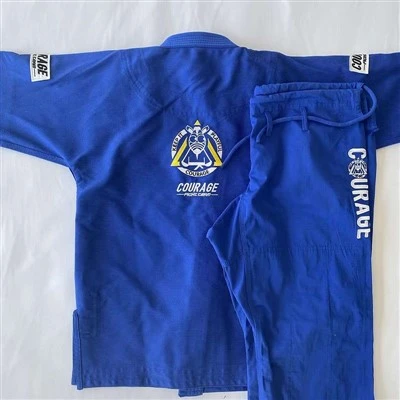
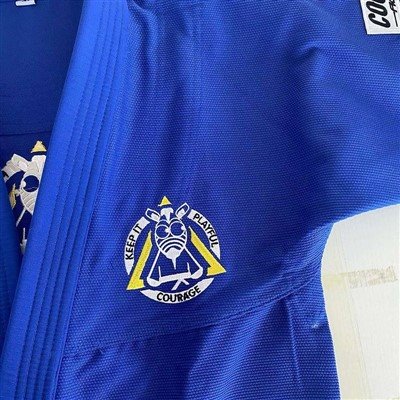
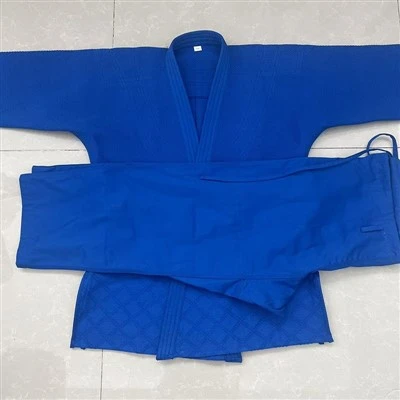
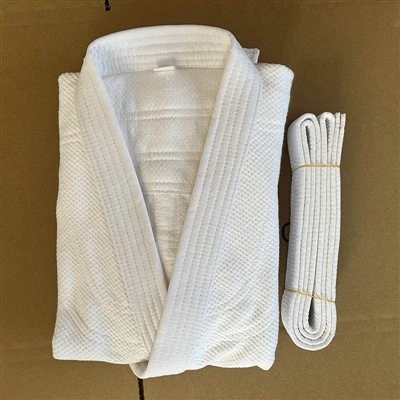
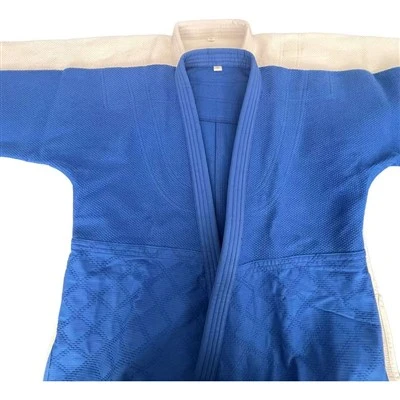
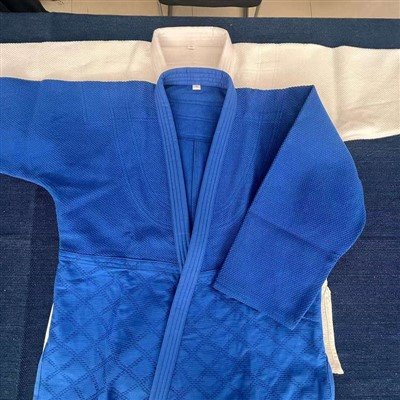
In jiu-jitsu, jiu-jitsu uniforms are not only equipment for athletes, but also an important guarantee for technical performance and comfortable experience. With the popularity of jiu-jitsu, the material selection of jiu-jitsu uniforms has become a focus of attention for manufacturers and consumers. This article will analyze the key points of selecting jiu-jitsu uniform materials from three dimensions: functionality, durability and comfort.
First of all, functionality is the core of jiu-jitsu uniform material selection. Jiu-jitsu requires frequent stretching, tumbling and pressing movements, so the fabric must have excellent elasticity and resilience. High-elastic fabrics such as spandex blended materials can ensure that the clothing is not easily deformed during intense exercise, while providing smooth movement support. In addition, jiu-jitsu uniforms need to have a certain degree of tear resistance to cope with friction and pulling in high-intensity confrontations. Some high-end materials will use composite weaving technology to enhance the fabric's wear resistance and extend its service life.
Secondly, durability directly affects the service life of jiu-jitsu uniforms. Jiu-jitsu uniforms are often exposed to sweat, ground friction and frequent washing, so the washability and anti-fading ability of the material are crucial. High-quality fabrics are usually specially treated, such as shrink-proof and anti-fading processes, to ensure that the clothing can maintain its original performance after multiple washes. At the same time, the breathability of the fabric is also an important indicator of durability. Good breathability can reduce sweat accumulation and reduce the risk of bacterial growth, thereby extending the service life of the clothing.
Finally, comfort is a key factor in the selection of materials for Jiu-Jitsu clothing. Jiu-Jitsu sports have extremely high requirements for the fit and touch of clothing, so the fabric needs to be soft and skin-friendly to avoid friction discomfort during exercise. Natural fibers such as cotton blends, although slightly less elastic, are comfortable to the touch and suitable for athletes with sensitive skin. Synthetic fibers such as polyester blends can provide better elasticity and quick-drying performance, suitable for high-intensity training. In addition, the weight and thickness of the fabric also need to be adjusted according to the climate and usage scenarios. Light and thin models are suitable for summer or indoor training, while thick models are more suitable for cold environments or occasions that require additional protection.
In summary, the selection of materials for Jiu-Jitsu clothing needs to comprehensively consider functionality, durability and comfort. With the advancement of material technology, the materials of jiu-jitsu uniforms will become more diversified in the future, providing athletes with better choices.