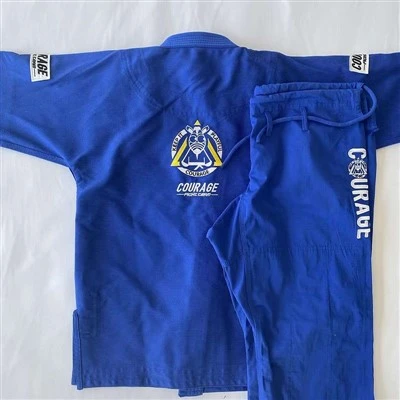
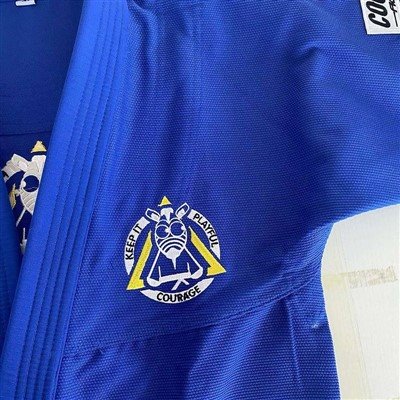
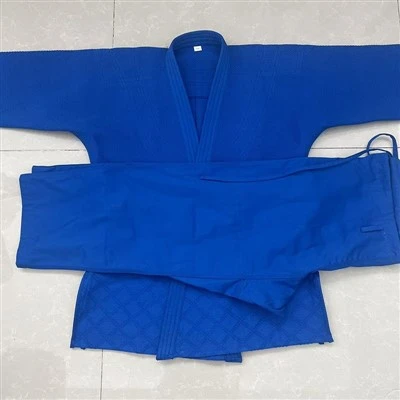
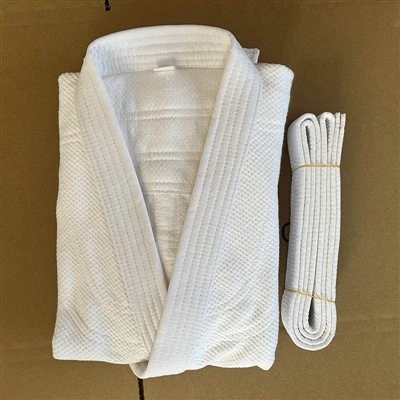
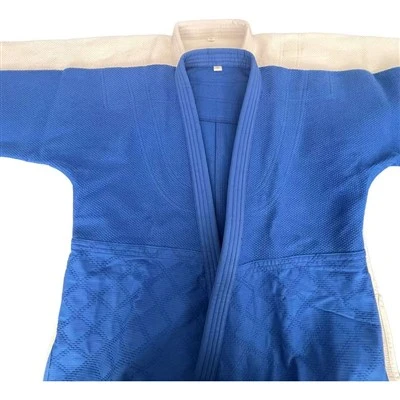
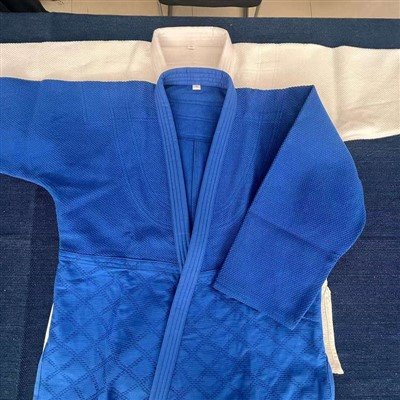
As a globally popular martial arts sport, karate uniforms (gi) are not only a symbol of identity for practitioners, but also directly affect training experience and performance. For foreign trade practitioners or karate enthusiasts, it is crucial to understand the characteristics, purchase points and maintenance methods of karate uniforms. This article will share relevant experience from an industry perspective to help readers better choose and maintain karate uniforms.
Basic structure and material of karate uniforms
Karate uniforms usually consist of three parts: tops (Uwagi), pants (Zubon) and belts (Obi). Traditional gis are mostly made of 100% pure cotton because they are breathable and sweat-absorbent, making them suitable for high-intensity training. In recent years, some manufacturers have introduced blended fabrics (such as cotton-polyester blends) to enhance durability while maintaining comfort and reduce shrinkage and deformation problems.
It is worth noting that the weight and thickness of gis vary depending on the style and purpose. For example, the traditional Shotokan gi is thicker and heavier, suitable for training that focuses on basic skills; while the competitive gi is lighter and easier to move quickly. When purchasing, you need to choose the right style according to your actual needs.
Key factors in purchasing karate uniforms
Size and fit: The gi should be loose but not dragging to ensure that the movements are stretched. The length of the top generally covers the hips and the sleeves are as long as the wrists. It is recommended to refer to the size chart provided by the brand and seek professional advice.
Craftsmanship and details: The stitching of high-quality gis is even and firm, and the collar and cuffs are reinforced to avoid unraveling during training. The belt should be made of pure cotton and meet the standard width (usually 4-5 cm).
Certification and standards: The World Karate Federation (WKF) and other organizations have strict regulations on competition gis, such as color (mainly white) and no logos. When exporting, you need to pay attention to the certification requirements of the target market.
Maintenance and service life of gis
The life of karate uniforms is closely related to the maintenance method. It is recommended to wash it in time after each training to avoid yellowing caused by sweat residue. Use mild detergent when washing, the water temperature should not exceed 40℃, and lay it flat to dry to prevent deformation. Long-term folding and storage may cause wrinkles, so it is recommended to hang it for storage.
For foreign trade practitioners, understanding this knowledge can not only help customers make wise choices, but also enhance their professional image. With the popularity of karate, the market demand for high-quality uniforms continues to grow, and mastering industry trends will provide advantages for companies to expand into the international market.