As a martial arts sport originated in Japan, karate uniforms are not only the iconic equipment of practitioners, but also carry the integration of traditional and modern martial arts culture. With the popularity of karate around the world, the design and function of uniforms are also constantly optimized to meet the diverse needs of professional training, competitions and foreign trade markets. This article will analyze the characteristics of karate uniforms from the aspects of material, tailoring, functionality and cultural symbolism, and explore its application trend in the international market.
In terms of material, karate uniforms usually use high-density cotton or cotton-polyester blended fabrics. This material has the characteristics of strong breathability, sweat absorption and quick drying, and can maintain comfort during high-intensity training. Some high-end uniforms will also add a small amount of elastic fiber to improve the flexibility of activities and adapt to large movements such as kicking and blocking. In addition, the durability of the uniform is also a key consideration. High-quality fabrics are specially treated to resist frequent washing and friction, extending the service life.
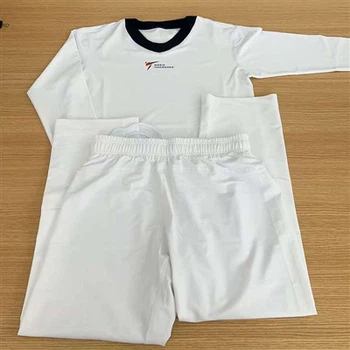
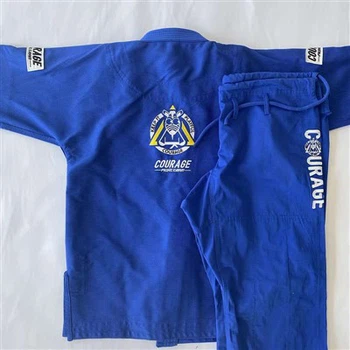
In terms of tailoring design, karate uniforms focus on practicality and standardization. The uniform is usually divided into three parts: the top, the pants and the belt. The top is loose-fitting to facilitate limb extension, and the belt is used to fix it to prevent displacement. The pants have wide legs to ensure that they are not restrained when kicking, and some styles will also add elastic cuffs at the bottom of the pants to improve the fit. The belt is not only a symbol of status, but its width and length are also standardized to ensure that it is stable and does not loosen after being tied.
Functionality is another major feature of modern karate uniforms. Many uniforms use reinforced stitching technology on easily worn parts such as collars and cuffs to prevent damage caused by pulling during training. Some high-end products will also add non-slip lining or breathable mesh stitching design to further enhance comfort and functionality. In addition, the colors and patterns of uniforms have gradually diversified to meet the needs of different schools and cultural backgrounds, while attracting the aesthetic preferences of the international market.
From the perspective of foreign trade, the market demand for karate uniforms continues to grow. With the inclusion of karate in the Olympic Games, the number of participants worldwide has increased significantly, driving the export trade of uniforms. Manufacturers need to focus on meeting international quality standards, such as environmental certification of fabrics and stability of sewing processes, to enhance product competitiveness. At the same time, design adjustments based on cultural preferences of different countries are also a key strategy for expanding overseas markets.
In short, karate uniforms have become an important category of martial arts equipment due to their functionality, durability and cultural connotations. With the promotion of karate sports around the world, its foreign trade potential will be further released, bringing more development opportunities to the industry.