Karate is a martial arts sport originated in Japan. Its uniforms are not only equipment for practitioners, but also a symbol of culture and level. With the popularity of karate around the world, the types and functions of uniforms are becoming increasingly rich. Understanding the classification of karate uniforms will help practitioners choose appropriate equipment according to their own needs, and it will also help foreign trade practitioners better grasp market demand.
Traditional uniforms
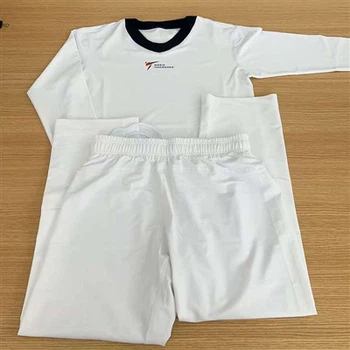
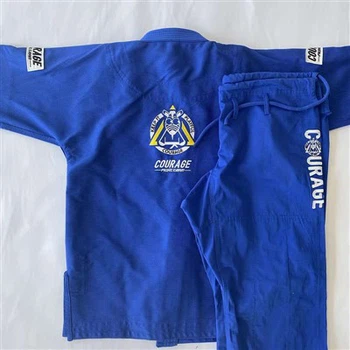
Traditional uniforms are the most common karate clothing, usually made of cotton or cotton and linen blended fabrics, with the characteristics of breathability and sweat absorption. This type of uniform has a simple design, usually white, with loose sleeves and trouser legs, which is convenient for large movements. Traditional uniforms are divided into different levels, such as beginners, intermediate and advanced, and are usually distinguished by the color of the belt. In addition, some traditional uniforms will add subtle embroidery or logos on the collar or cuffs to reflect the characteristics of the gym or school.
Competition uniforms
Competition uniforms are designed for competitions and focus on lightness and flexibility. These gis are usually made of high-density fabrics to reduce wrinkles and drag, allowing athletes to move more smoothly during competition. Competition gis are cut closer to the body, with relatively short sleeves and trouser legs to reduce air resistance. Some high-end competition gis also use tear-resistant technology to ensure that they are not easily damaged during high-intensity confrontations.
Training gis
Training gis are between traditional and competition gis, combining durability and comfort. These gis are usually made of thicker fabrics to cope with the friction and pulling during daily training. Training gis are designed to be loose, suitable for long-term wear, while providing sufficient flexibility. Some training gis also have reflective strips or breathable mesh designs to improve safety and comfort during night training.
Special purpose gis
In addition to the common types mentioned above, karate gis also have special styles for specific needs. For example, children's gis are usually made of softer fabrics and shorter cuts to accommodate children's body shapes and activity needs. In addition, some uniforms are also modified according to climate characteristics, such as thicker ones are suitable for cold regions, while thinner ones are suitable for hot environments.
Karate uniforms are classified in various ways, and different types of uniforms meet the needs of practitioners in different scenarios. Foreign trade practitioners understand these classifications, which will help promote products more accurately and meet the diverse needs of global customers.