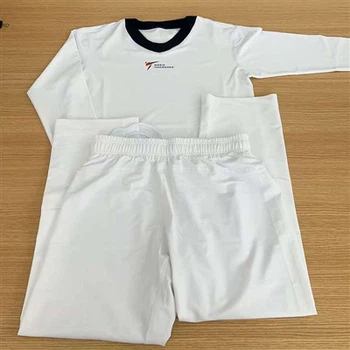
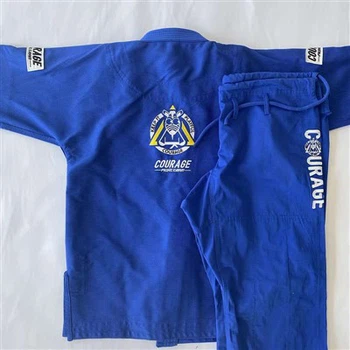
Karate uniforms, also known as "Dogi", are not only the iconic equipment of karate practitioners, but also carry profound cultural connotations and practical value. With the booming development of martial arts around the world, the value of karate uniforms is not only reflected in their functionality, but also becomes an important link between tradition and modernity, and between the East and the West.
From a historical perspective, the design of karate uniforms originated from traditional Japanese clothing, which was modified to meet the needs of martial arts training. Its loose cut facilitates limb movement, and its durable fabric can withstand high-intensity training friction. This design not only reflects the simple aesthetics of Japanese martial arts, but also reflects the pursuit of practicality in martial arts. Today, karate uniforms have become a common symbol for millions of practitioners around the world. Although its design has evolved, its core value has remained unchanged.
In terms of functionality, the value of karate uniforms is particularly prominent. High-quality Dogis are usually made of cotton or cotton-linen blended fabrics, which are breathable and sweat-absorbent, and have a certain degree of wear resistance, which can meet the needs of long-term training. In addition, the split design of the uniform (separate top and pants) is not only easy to put on and take off, but also ensures that practitioners are not restrained during kicking, punching and other movements. For professional athletes, the fit and durability of the uniform directly affect the training effect and may even affect the performance in the competition.
From the perspective of cultural value, karate uniforms are the carriers of the spirit of martial arts. The white uniform symbolizes purity and humility, and is the external manifestation of the karate philosophy of "starting with courtesy and ending with courtesy". Many karate schools also distinguish the ranks of practitioners by the color of the belt on the uniform. This visual hierarchy not only motivates learners to make progress, but also strengthens the ritual and discipline of martial arts. In today's globalized world, karate uniforms have become a medium for cross-cultural communication, allowing people from different backgrounds to feel the common language of martial arts through uniform clothing.
For the foreign trade industry, the market demand for karate uniforms continues to grow. With the inclusion of karate in the Olympic Games, its international influence has further expanded, driving the export demand for related equipment. Both professional athletes and amateurs have a stable demand for high-quality and well-designed uniforms. Understanding the cultural and functional value of karate uniforms will help companies better grasp market trends and promote this traditional martial arts equipment to a broader international stage.